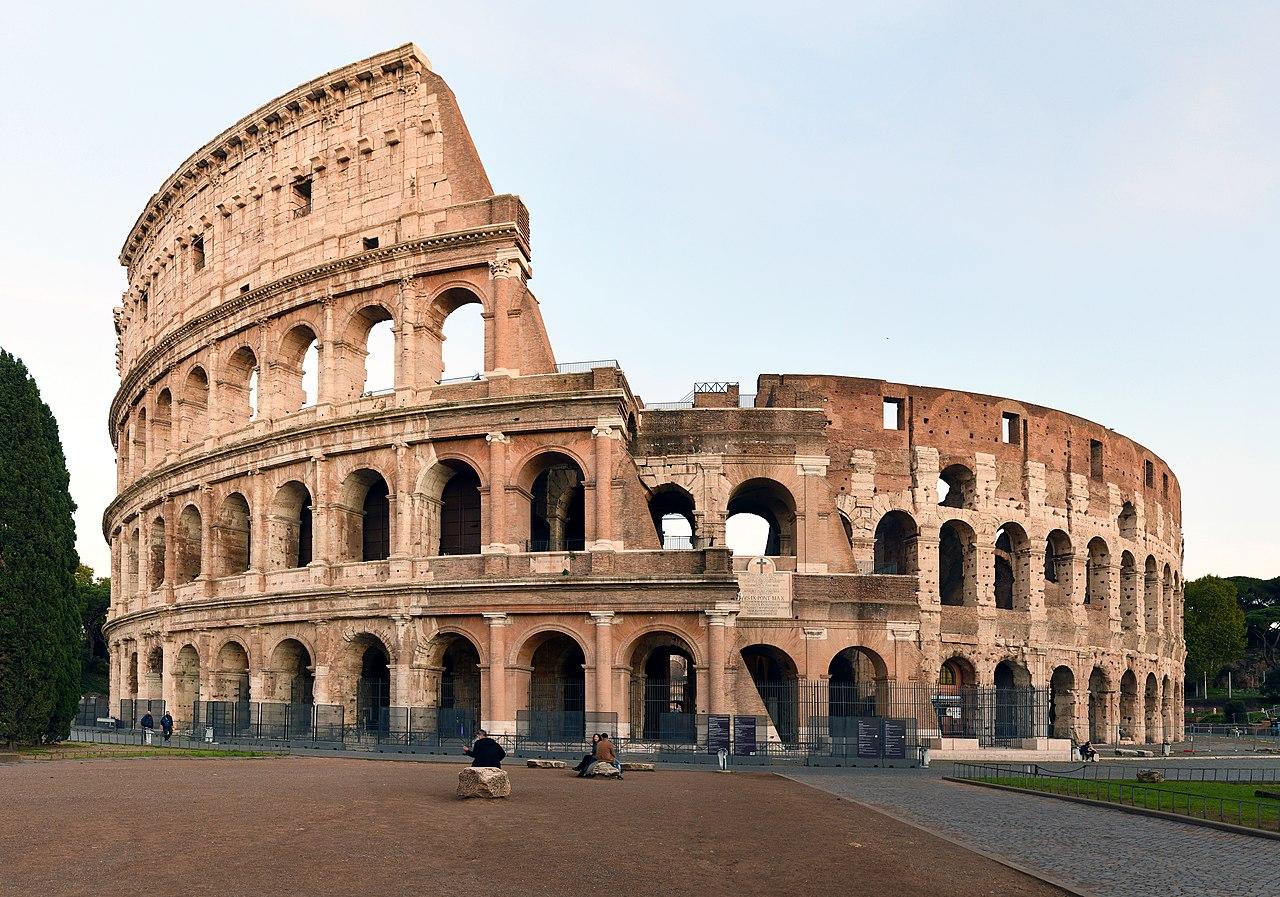
Rome after sunset: a 90-minute loop through the centro storico
Piazza Navona, the Pantheon, the Trevi Fountain and the Spanish Steps once the coaches have left. A short evening loop that starts and ends at Campo de' Fiori.
Xploreo3 min read
In short
- Start around 19:30 in summer, an hour earlier in winter: the squares are lit and the day crowds have thinned.
- The loop is about 4 km on flat ground with no entry tickets; the Pantheon closes in the evening but its square does not.
- Xploreo can build this loop, or a shorter or longer one, from wherever you stand in the centre.
Rome's historic centre is small enough to cross on foot in twenty minutes and dense enough to spend a week in. After sunset it becomes a different city: the fountains are lit, the stone cools, and the squares that were impassable at four in the afternoon have room to stand in. This loop takes about ninety minutes without stops and covers the five places most people come for, in an order that keeps the best for last.
Start: Campo de' Fiori
Campo de' Fiori is a market square by day and a bar square by night, and the hooded statue in the middle is Giordano Bruno, burned here for heresy in 1600. The statue went up in 1889, facing the Vatican, and the city has been arguing about it ever since. It is a good place to begin because it is easy to find and easy to come back to.
Leave the square on its northern side and cross Corso Vittorio Emanuele II.
Piazza Navona
Navona keeps the shape of the stadium Domitian built here in the first century; the running track is now the paving and the stands became the buildings around it. In the centre is Bernini's Fountain of the Four Rivers, finished in 1651, with the obelisk balanced over an open hollow in the rock. The church beside it, Sant'Agnese in Agone, is by Bernini's rival Borromini. The story that one of Bernini's river gods shields his eyes from Borromini's façade is a good story and not a true one: the fountain was finished first.
Walk the length of the square and leave from its north end, then east along Via dei Coronari's neighbours towards the Pantheon.
The Pantheon
The building you reach after a few minutes is the best-preserved monument of ancient Rome. The inscription on the porch names Marcus Agrippa, but the building behind it was rebuilt under Hadrian around AD 126. The dome is still the largest unreinforced concrete dome in the world, and the open oculus at its top is the only source of light. In the evening the doors are usually closed; stand in the square, look at the columns, and come back in the morning if you want to go in.
From Piazza della Rotonda, head east. The lanes are narrow; aim for Via del Seminario and then Piazza di Pietra, where the columns of the Temple of Hadrian are built into a later façade.
The Trevi Fountain
You hear the Trevi before you see it. Nicola Salvi designed it and it was completed in 1762, thirty years after work began, as the showpiece ending of an aqueduct that still carries water from the hills. The crowd never fully leaves, but after nine in the evening it thins to something manageable. Throw a coin if you like; the city collects them for charity.
Leave uphill by Via della Stamperia and keep north.
The Spanish Steps
The staircase from Piazza di Spagna to the church of Trinità dei Monti was built in the 1720s with French money, which is why the Spanish Steps lead to a French church. Sitting on them has been prohibited since 2019, so climb to the top for the view back over the roofs instead. Keats died in the pink house at the bottom right of the steps in 1821; it is a museum now.
Back to Campo de' Fiori
The return is the longest leg: down Via del Babuino or Via Condotti to the Corso, then south-west through the lanes back to Campo de' Fiori. It is about twenty-five minutes, and the point of it is that you walk it, past bars that are only now filling up, rather than taking a taxi from the Steps.
The same loop in the app
Xploreo has every place in Rome's centre graded, so it can build this loop, or a shorter or longer one, from wherever you are standing. Each stop's story starts as you reach it, so the phone can stay in your pocket while you look at the Pantheon.
- Rome
- evening walk
- walking tour
Blog
Keep reading
 City walks
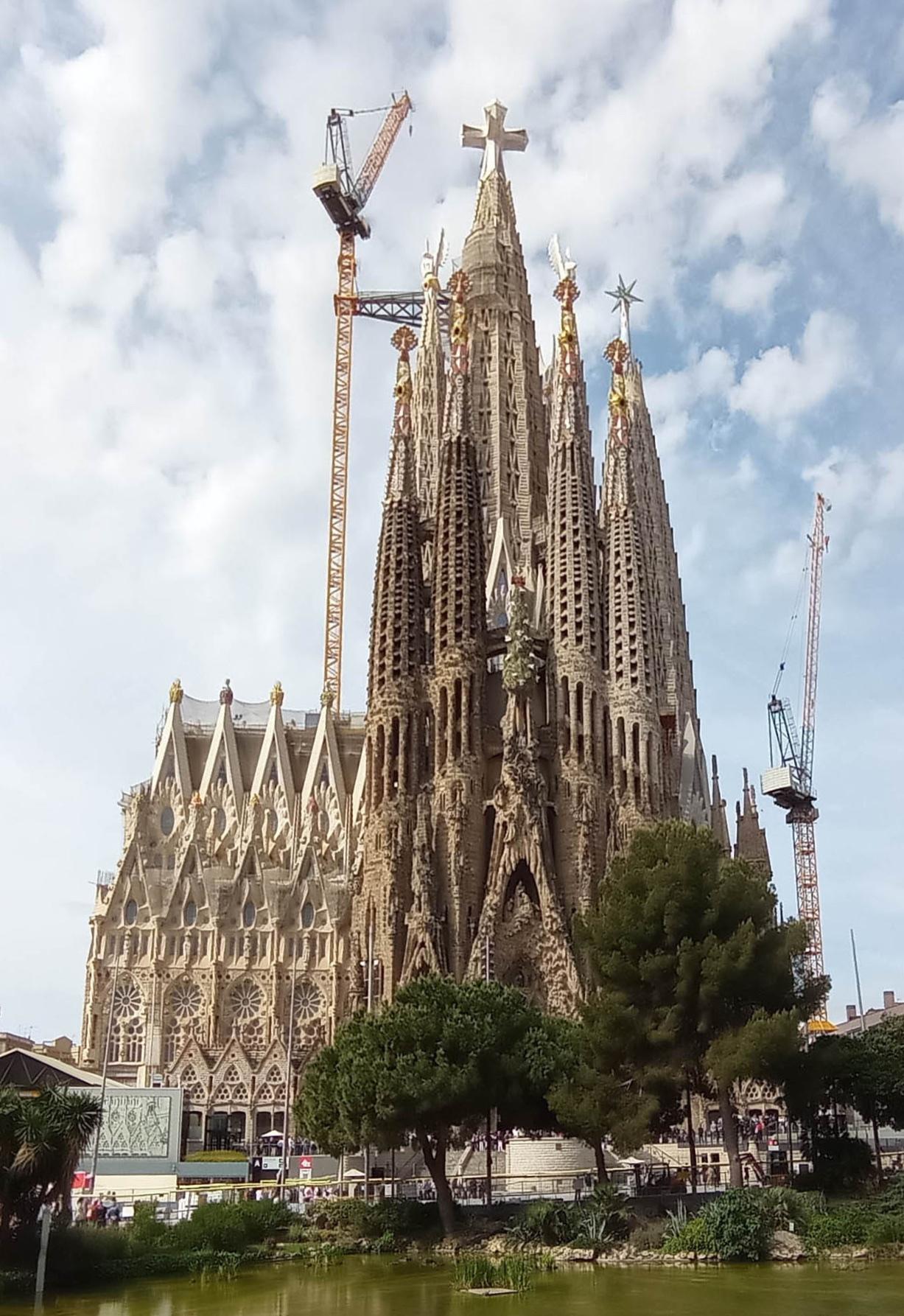
A self-guided walking tour of Barcelona's Gothic Quarter: 8 stops in 2 hours
A loop through the Barri Gòtic that starts and ends at the cathedral, with the Roman walls, the Jewish quarter and the bridge everyone photographs. Walk it with the app or with this page.
· 4 min read
 City walks
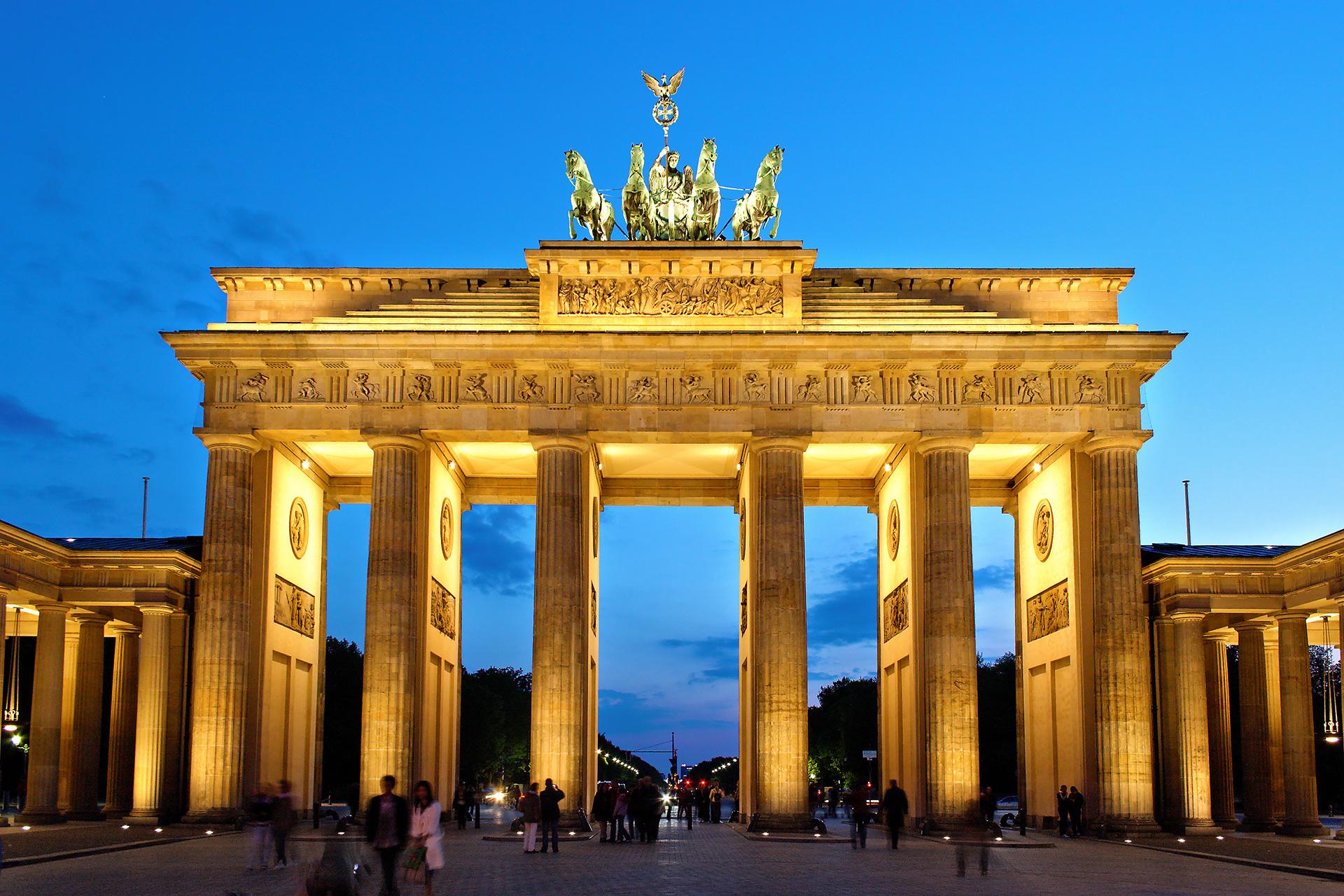
Berlin's Stolpersteine: how to read the brass stones under your feet
There are thousands of small brass plaques set into Berlin's pavements. What they say, who put them there, and why Xploreo shows them as their own layer rather than as stops.
· 3 min read
- Audio guides
How a GPS audio guide knows when to start talking
Geofences, GPS accuracy in old streets, and why Xploreo waits until you are about 50 metres from a place before it plays. A plain explanation of what happens between your position and your headphones.
· 3 min read