A self-guided walking tour of Barcelona's Gothic Quarter: 8 stops in 2 hours
A loop through the Barri Gòtic that starts and ends at the cathedral, with the Roman walls, the Jewish quarter and the bridge everyone photographs. Walk it with the app or with this page.
Xploreo4 min read
In short
- The loop is about 2.5 km and takes two hours with the stories; it starts and ends at Plaça Nova by the cathedral.
- Go early or after 18:00: the lanes are narrow and the quarter fills up by late morning.
- The famous Pont del Bisbe is from 1928, not the Middle Ages. Most of the quarter's 'Gothic' look is a 20th-century restoration.
The Gothic Quarter is the oldest part of Barcelona and the easiest to walk badly. The lanes are narrow, the signposting is thin, and most people drift from the cathedral to the Rambla and back without seeing the Roman city underneath. This loop fixes that in two hours. It is the route the app builds when you stand at Plaça Nova and ask for a two-hour walk; here it is as a page, so you can follow it without a phone in your hand.
Before you start
Begin at Plaça Nova, the open square in front of the cathedral. Two Roman towers flank the lane into the old city on your left; they are the best place to understand that the quarter sits on the footprint of Barcino, the colony Rome founded here around 10 BC. Everything in this walk happens inside or just outside that Roman wall.
Timing matters more than in any other part of the city. Before 10:00 the lanes are quiet and the light comes in low over the rooftops; between 11:00 and 17:00 the main lanes are a slow procession. Evening works too, and the cathedral square is lit.
Stop 1: Barcelona Cathedral
The cathedral was built between the 13th and 15th centuries, though the façade you see from the square is a 19th-century addition paid for by a banker and finished in 1913. Go in if it is open; the cloister with its fountain and its thirteen geese is the part people remember. The geese are said to stand for the age of Saint Eulalia, the city's co-patron, at her martyrdom.
Leave by the square and walk around the right-hand side of the building.
Stop 2: Plaça del Rei
This closed square was the courtyard of the counts of Barcelona and later of the kings of Aragon. The steps in the corner lead up to the Saló del Tinell, the great hall where, by tradition, Columbus was received after his first voyage. Underneath the square is the Barcelona History Museum, which takes you down to the streets and workshops of the Roman city. It is the one paid stop on this walk that is worth every minute.
Stop 3: The Temple of Augustus
Hidden inside a courtyard on Carrer del Paradís are four Corinthian columns from the temple that stood on the highest point of Barcino. The entrance is a plain doorway with a millstone set into the pavement in front of it. Most people walk past. Step in, look up, and step out again; it takes three minutes and nothing in the quarter says "Roman city" more clearly.
Stop 4: Plaça Sant Jaume
The square where the Roman forum stood is still where the city is governed: the Palau de la Generalitat on one side, the city hall on the other, facing each other across the paving. Catalonia's government has sat in the Generalitat building since the early 15th century. On Sundays you may find sardana dancing here; on big days, human towers.
Stop 5: El Call
Behind the Generalitat begins El Call, the medieval Jewish quarter, a knot of lanes barely wide enough for two people. The name comes from the Hebrew qahal, the community. The quarter was destroyed in the pogrom of 1391; a small interpretation centre on Placeta de Manuel Ribé explains what stood here, and a medieval synagogue, one of the oldest in Europe, has been excavated on Carrer de Marlet.
Stop 6: Pont del Bisbe
The carved bridge across Carrer del Bisbe is the most photographed thing in the quarter. It looks medieval and is not: the architect Joan Rubió built it in 1928 for the city's Gothic makeover before the 1929 International Exhibition. Much of what reads as "Gothic" here is from the same programme. That is not a reason to skip it; it is the reason to look at it properly.
Stop 7: Santa Maria del Pi
Cut west to Plaça del Pi. The church of Santa Maria del Pi is 14th-century Catalan Gothic: a single wide nave, almost no decoration, and a rose window that is among the largest in the world. The square outside, with its pine tree and its weekend food market, is where the quarter is at its most lived-in.
Stop 8: Plaça Reial
Finish on the Rambla side at Plaça Reial, the arcaded square laid out in the 1840s on the site of a convent. The two lampposts by the fountain are an early work by Antoni Gaudí, designed in 1879 before anyone had heard of him. Cafés fill the arcades; it is a fair place to sit down. From here the cathedral square is a ten-minute walk back through the lanes, which closes the loop.
Walking it with the app
Xploreo builds this loop from wherever you are standing, so if you start at a hotel in the Eixample the route leads you in and back out. Each stop above has a story of a few minutes that starts when you are about 50 metres away. Put the phone in your pocket; the walk works without it in your hand.
- Barcelona
- Gothic Quarter
- walking tour
Blog
Keep reading
 City walks
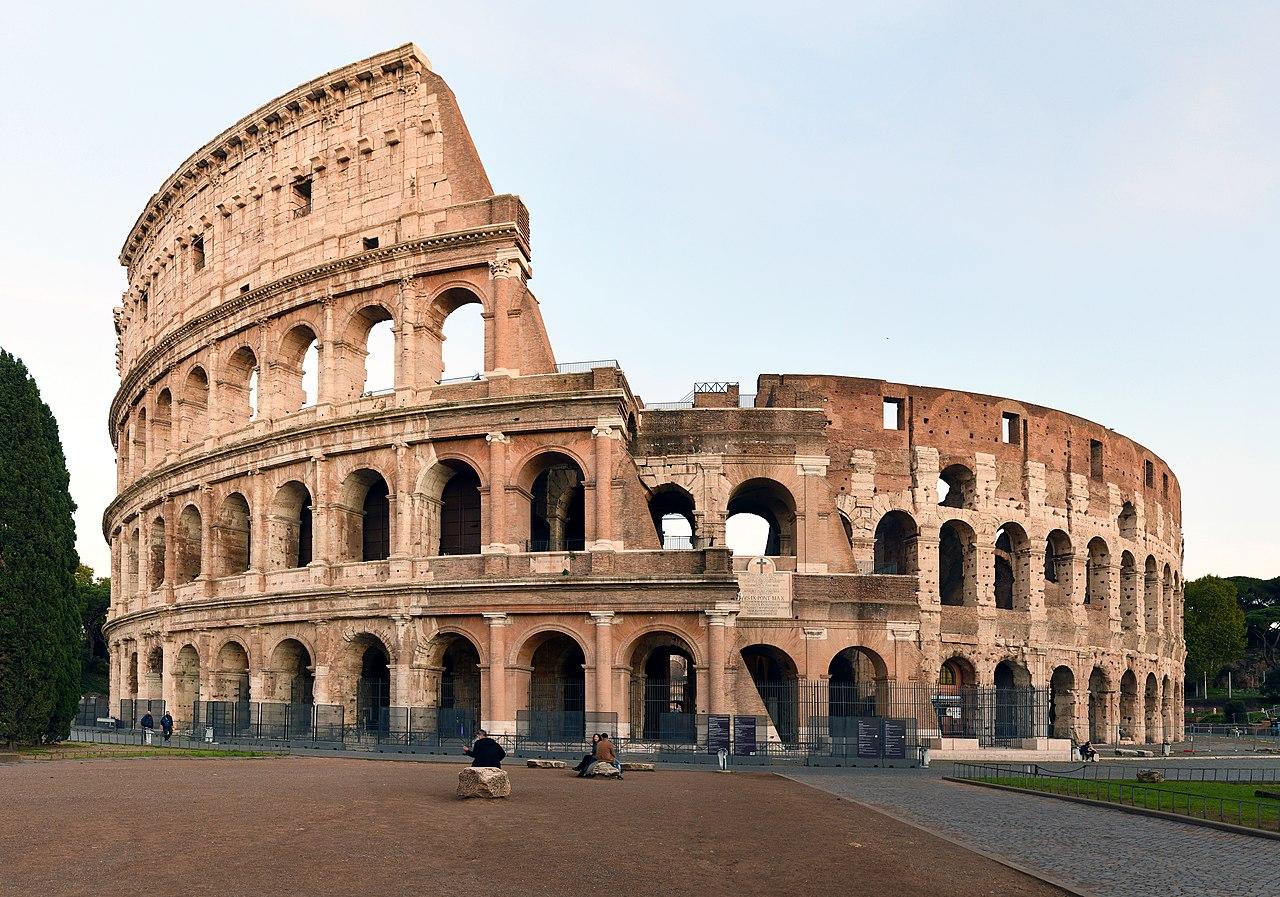
Rome after sunset: a 90-minute loop through the centro storico
Piazza Navona, the Pantheon, the Trevi Fountain and the Spanish Steps once the coaches have left. A short evening loop that starts and ends at Campo de' Fiori.
· 3 min read
 City walks
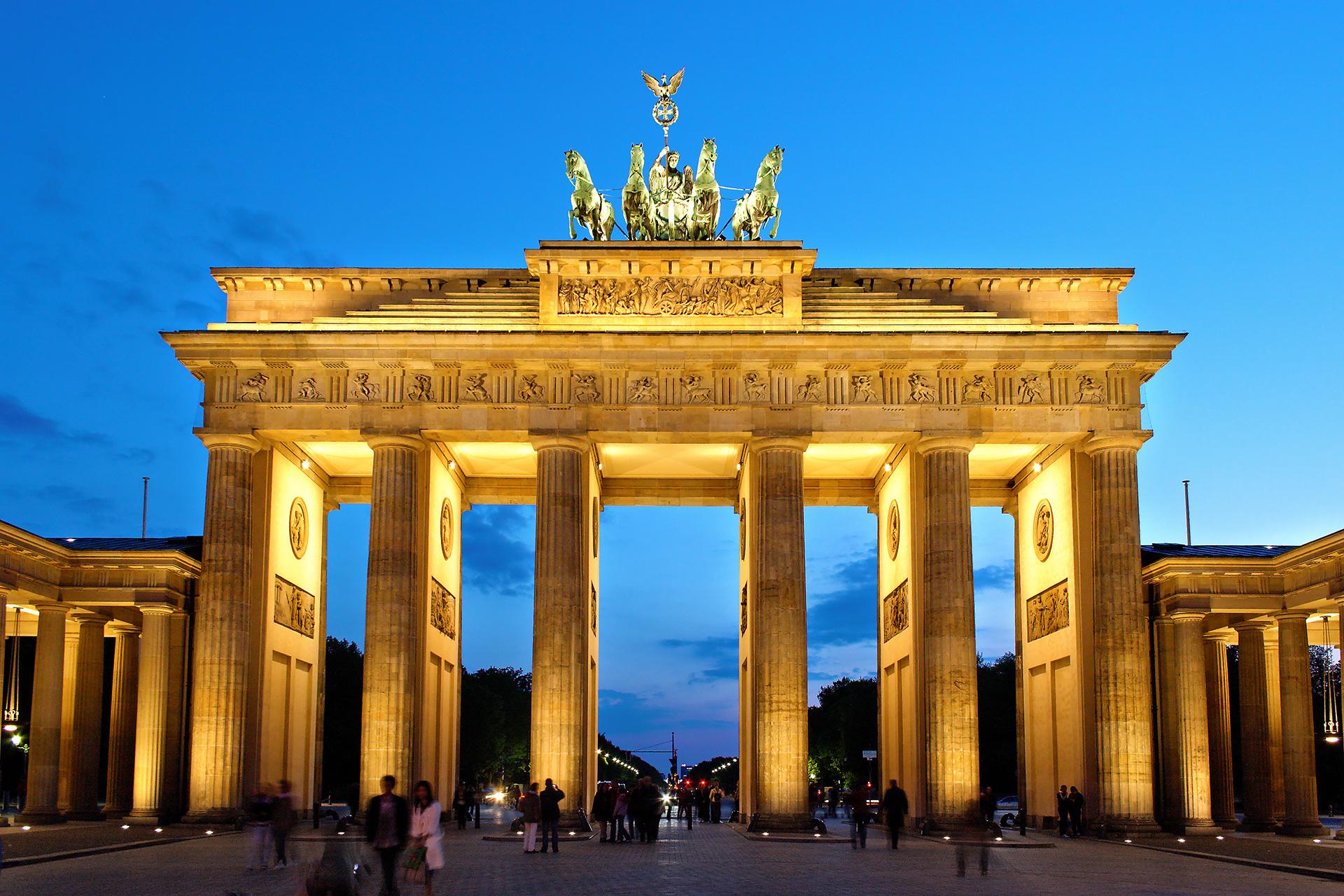
Berlin's Stolpersteine: how to read the brass stones under your feet
There are thousands of small brass plaques set into Berlin's pavements. What they say, who put them there, and why Xploreo shows them as their own layer rather than as stops.
· 3 min read
- Audio guides
How a GPS audio guide knows when to start talking
Geofences, GPS accuracy in old streets, and why Xploreo waits until you are about 50 metres from a place before it plays. A plain explanation of what happens between your position and your headphones.
· 3 min read